Guide
wood fence extension for privacy: Need More Privacy? Here's How a Wood Fence Extension Works
Get a wood fence extension for privacy without a full rebuild. See extension options, height rules, and a free estimate for your yard. Learn more
Published by Romeoville Fence · Updated
A wood fence extension adds height to an existing fence so you get real privacy without tearing out posts and panels that still work fine. For homeowners in Romeoville, Bolingbrook, Plainfield, Lockport, Crest Hill, and Lemont, the right approach depends on how your current fence is built, what your municipality allows for height, and whether your posts can actually support the added weight. Romeoville Fence can walk through those details during a free estimate and point you to local permit guidance before any wood goes up.
Your Fence Meets Code but Not Your Real Privacy Needs
A lot of yards in this area were built with a standard four foot fence, which clears most local setback rules but does almost nothing to block a second story view from next door or a direct sightline from the sidewalk. If you are searching for a wood fence extension for privacy, you are probably not unhappy with the fence itself, you just need another twelve to twenty four inches of height so you can sit on a patio or let kids play without feeling watched.
The tempting fix is a quick DIY topper kit from a home store. The problem is those kits assume every post is the same size and every fence is plumb and solid, which is rarely true once a fence has been in the ground a few seasons. Before you buy lumber, it helps to know what your existing posts and rails can actually carry.
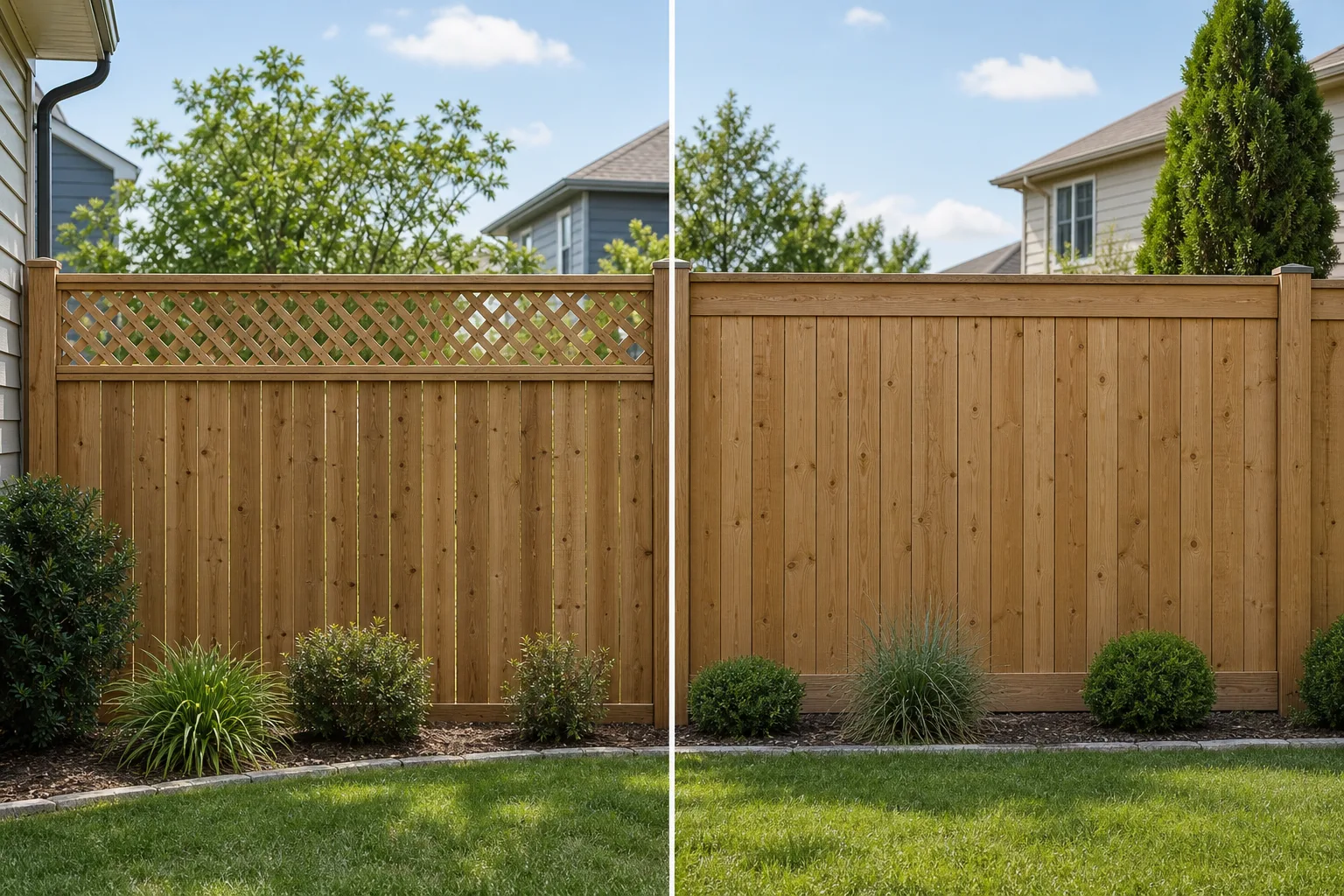
Three Ways to Add Height Without a Full Rebuild
There is more than one way to extend a wood fence, and the right choice depends on how much privacy you need versus how much airflow and light you want to keep.
- Lattice topper: A lattice section sits on top of the existing fence line and adds height with some visibility through the gaps. It is lighter than solid board, so it puts less strain on older posts, but it will not fully block a direct view.
- Solid board add on: New boards are fastened above the existing fence line to match the current style, giving close to full privacy. This option carries more weight and wind load, so post condition matters a lot here.
- Post extension with new panel: The existing posts are extended upward (or sistered with new post material) and a full new panel section is installed. This is the most structurally sound option for solid privacy but takes more labor than the other two.
If you are still deciding on a layout or style for the extension itself, our privacy wooden fence ideas page covers board spacing and panel styles that pair well with an added top section.
Not sure which extension method fits your fence? Get a free estimate and we will look at your posts and panel style first.
Check Height and Permit Rules Before You Build Up
Adding height to a fence that already meets code can push it past your municipality's allowed maximum, especially in front yards or along corner lots where sight line rules apply. Height limits, setback distances, and permit requirements are set locally and differ between Romeoville, Bolingbrook, Plainfield, Lockport, Crest Hill, and Lemont, so the number that applied to your original fence is not automatically the number that applies to an extension.
This is one reason we link directly to local permit and height guidance rather than leaving homeowners to guess. If your property sits in a specific township or you are unsure which jurisdiction's rules apply, our Will County IL coverage page is a useful starting point before you finalize a design.
Why a Local Estimate Beats a Topper Kit From a Big Box Store
A boxed topper kit is built to a generic size. Your fence is not generic, it has its own post spacing, its own wood condition, and its own neighborhood rules. Working with a local estimate instead of a one size kit gives you a few concrete advantages:
- A real look at your current posts and panels before any material is ordered, so you are not guessing whether the structure can take the extra height.
- Multiple material options on the table, including wood, vinyl, and aluminum, in case a different approach makes more sense for part of your yard.
- Permit guidance included in the conversation, not sold as a separate add on service.
- Estimates handled by form or direct email at estimates@romeovillefence.com, so you get a written answer you can reference later.
We cover Romeoville, Bolingbrook, Plainfield, Lockport, Crest Hill, and Lemont, so the guidance you get is based on the area you actually live in, not a national average.
Ready to see what a privacy extension would cost for your specific fence? Get a free estimate today.
Is Extending Worth It, or Should You Replace the Fence Instead?
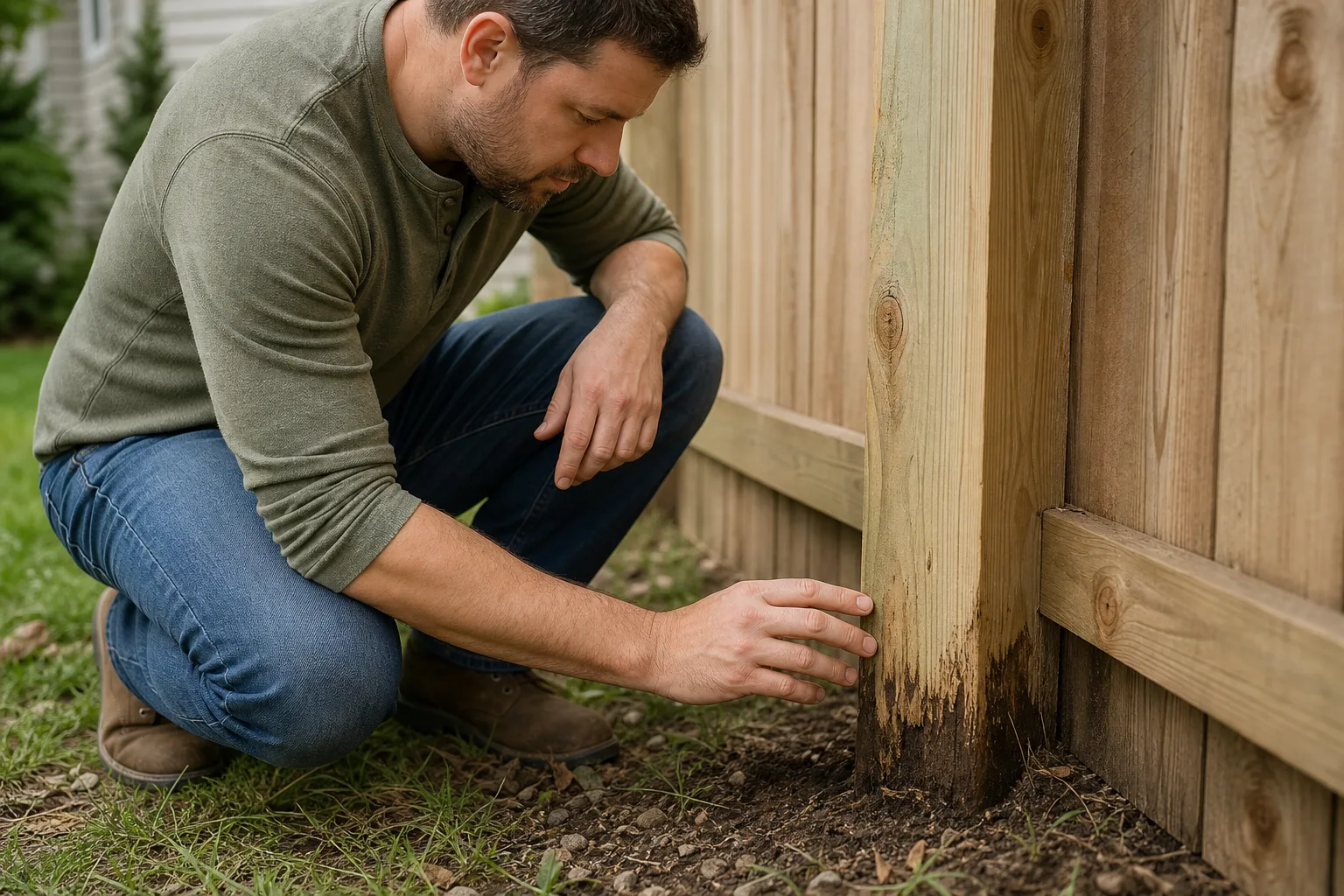
The honest answer depends on the age and wood type of your current fence. If your posts are still solid and the panels are untreated or standard pine that has not rotted at the base, an extension is usually the cheaper path to privacy. If the fence is older cedar or treated lumber that has started to lean, crack at the post line, or show soft spots near ground level, adding weight on top of it is just asking for an early failure.
A second honest concern is color and weather matching. New lumber on top of a weathered fence will look different for a season or two until it grays down. If that mismatch bothers you, a full panel replacement along the top rail (rather than just adding boards) tends to blend better over time. If you are weighing a partial extension against a full rebuild, our treated wood fence cost guide breaks down what goes into that pricing decision so you can compare both paths before committing.
Get Your Wood Fence Extension Estimate
The fastest way to know whether your fence can take an extension, and what it will cost, is to get eyes on it. Send a note to estimates@romeovillefence.com with a photo of your current fence line and the height you are hoping to reach, or fill out the estimate form and we will follow up with next steps, including what local permit rules apply to your address.
Get a free estimate for your wood fence extension, no obligation.
Can you add height to an existing wood fence instead of replacing it?
In most cases yes, as long as the current posts and base rails are still structurally sound. A lattice topper or solid board add on can be fastened to a fence that is not rotted or leaning. If the base structure is already failing, an extension will shorten its remaining lifespan rather than extend it.
Do I need a permit to add a privacy extension to my fence?
Possibly, since permit and height rules are set at the local level and vary between Romeoville, Bolingbrook, Plainfield, Lockport, Crest Hill, and Lemont. We link to local permit guidance directly so you can check your specific address before finalizing a design rather than assuming your original fence permit still applies.
What is the difference between a lattice topper and a solid board extension?
A lattice topper adds height with partial visibility through the gaps and puts less weight on your existing posts. A solid board extension blocks sightlines almost completely but adds more weight and wind load, so it depends more heavily on the condition of your current posts.
How much taller can I make my fence for privacy?
That depends on your municipality's current height limits for your yard location (front, side, or rear), which is why we recommend checking local rules before ordering material. A free estimate from Romeoville Fence includes a look at what height is realistic for your specific lot.